
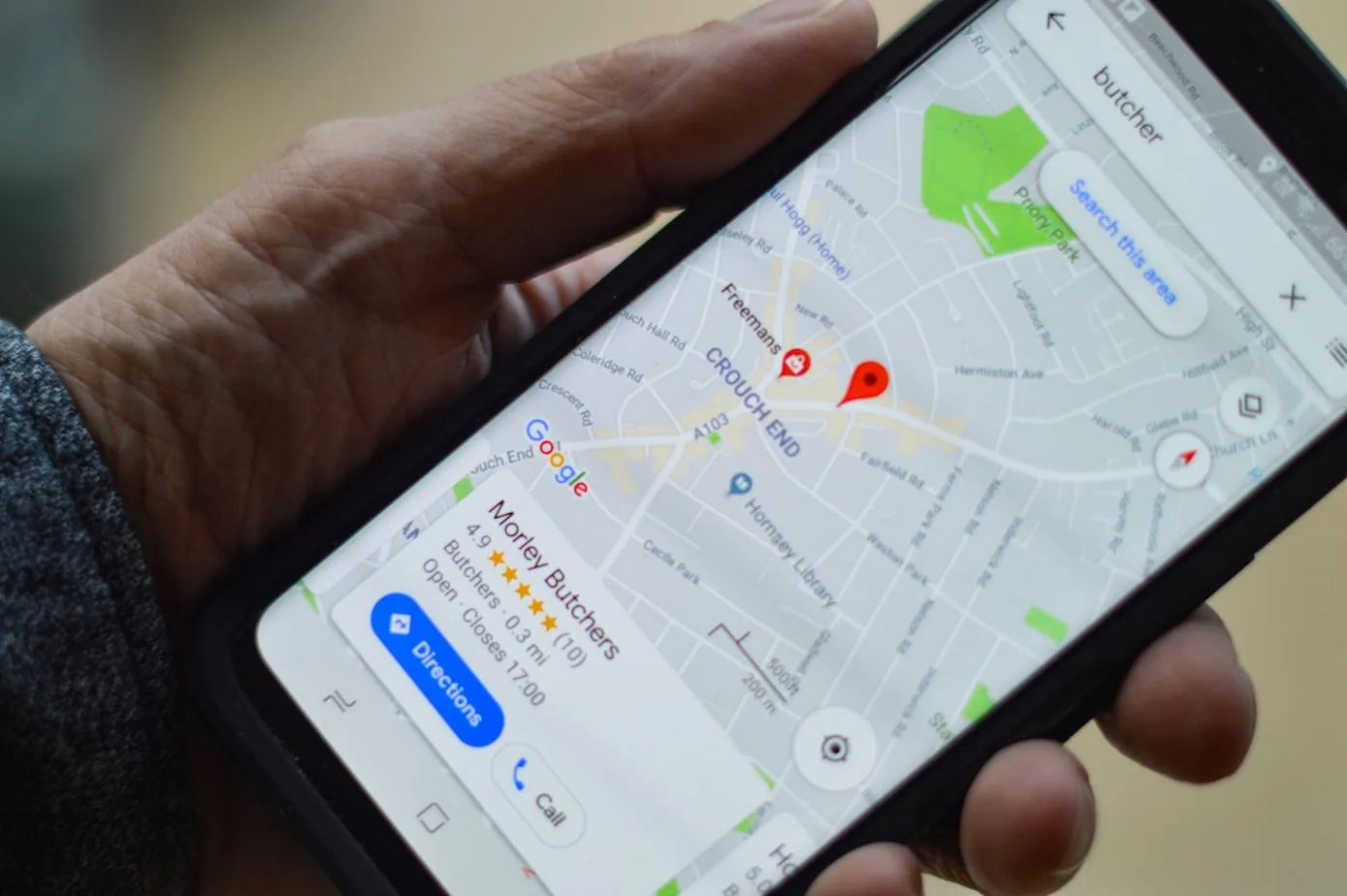
Local SEO is not complicated, but it is specific. What works in Denver does not translate directly to a market like Durango — a town of about 19,000 where the same customers follow the Durango Herald, hike the Animas River trail, and search for contractors, dentists, and restaurants on their phones before they even leave the house. This guide walks through eight strategies that move rankings in a real local market, not a hypothetical one.
This article is part of our broader local SEO guide for Durango small businesses, which covers each of these steps in more depth. If you want the full picture, start there.
Quick Answer: 8 Local SEO Strategies That Work
- 1. Claim and fully build out your Google Business Profile.
- 2. Get and respond to Google reviews consistently.
- 3. Fix NAP consistency across every directory and citation.
- 4. Add local keywords to your page titles, headers, and meta descriptions.
- 5. Build a service page for each thing you actually do.
- 6. Mark up your site with LocalBusiness schema.
- 7. Publish genuinely useful content about your work and your area.
- 8. Earn links from local organizations, media, and community events.
1. Claim and Fully Build Out Your Google Business Profile
Your Google Business Profile is the most important single asset in local search. It powers your map pack listing, your Knowledge Panel, your reviews, and your photos. For most Durango businesses, the profile receives more views in a month than the website.
"Claim" is not enough. Google rewards completeness and activity. Choose the most specific primary category available. Add every accurate secondary category. Upload real photos — your actual location, your work, your team. Set service area if you go to customers rather than waiting for walk-ins. Use the Posts feature for seasonal offers, new services, and local events.
In Southwest Colorado, we regularly see profiles that were claimed a few years ago and never touched again. In most local categories, consistent activity alone puts a business in the top three of a market like Durango.
For a step-by-step walkthrough from verification to photo strategy, read our dedicated guide.
Google Business Profile optimization guide2. Build a Steady Flow of Google Reviews
Reviews influence both your map pack rank and the decision of every potential customer who sees your listing. Volume matters, but so does recency — a business with a dozen reviews this year outranks one with hundreds that are three years old, because recent reviews signal an active, operating business.
The system that works: ask satisfied customers at the moment of satisfaction, give them a short review link (not just "go find us on Google"), and respond to every review — the good ones with a genuine thank-you, the critical ones with professionalism and a path to resolution. Responses are read by prospective customers and they matter.
One thing to avoid: never offer discounts or incentives in exchange for reviews. Google's policies prohibit it, and the resulting reviews tend to read like they were incentivized — which is exactly what they were.
3. Fix NAP Consistency Across Directories
NAP — Name, Address, Phone — consistency is the unglamorous backbone of local search. Google cross-references your business information across dozens of directories, data aggregators, and listing sites. When it matches everywhere, that reads as trust. When your address from two moves ago is still on half the internet, that reads as uncertainty.
Start with the big ones: Yelp, Apple Maps, Bing Places, Better Business Bureau. Then work through the local layer, which matters especially in a community like Durango: the Chamber of Commerce directory, Visit Durango's partner listings, 360Durango.com, and the Durango Business Improvement District. These local citations carry real weight in a small market.
Our citations guide covers the full audit process and the directories worth your time in Southwest Colorado.
Read the citations and NAP guide4. Put Local Keywords Where They Belong on Your Website
Google reads your page titles (the text in the browser tab and in search results) as one of the strongest signals about what a page covers. A page titled "Services" tells Google almost nothing. A page titled "Residential Plumbing Repair — Durango, CO" tells it exactly what it needs to know.
Local keyword optimization is straightforward: put your primary service and your location in the H1 heading, the page title tag, and the meta description of each page. Use natural variations throughout the body — "in Durango," "serving La Plata County," "near Purgatory" — rather than repeating the same exact phrase. Write for a reader, not a keyword counter.
In a small market like the Four Corners region, low-volume keywords — ones a national tool may flag as too small to measure — are often the highest-value targets. Almost every searcher behind them is a real local buyer.
5. Build a Dedicated Page for Each Service You Offer
A single page listing all your services is harder to rank than dedicated pages for each. Google wants to send a searcher looking for HVAC repair to a page about HVAC repair — not to a general services page where they have to scroll to find the relevant section.
Each service page should cover: what the service is, who it is for, how the process works, what the service area is, and how to get in touch. Real specificity beats thin content. If you serve Durango, Bayfield, Ignacio, and Farmington, say so on the page. If you specialize in a particular type of project common here — high-altitude construction, mountain bike trail maintenance, lodging hospitality — that specificity is what makes the page genuinely more useful than a national competitor's generic template.
6. Add LocalBusiness Schema Markup
Schema markup is structured data embedded in your site's code that explicitly tells search engines what your business is, where it is, what it does, and how to reach it. LocalBusiness schema is the variant that matters most for local SEO.
A fully marked-up LocalBusiness schema block includes: business name, address, phone, URL, business hours, service area, and primary business type. This is not optional extra credit — it is increasingly how AI-powered search features like Google's AI Overviews pull structured information about local businesses. If you want to appear in those answers, the data needs to be machine-readable.
Most website platforms make this straightforward to add. If yours does not, it is worth resolving — schema is one of those technical fixes that has a disproportionate payoff for the effort.
7. Publish Genuinely Useful Local Content
Content that is useful to a real Durango reader outranks generic content at a national scale because Google increasingly rewards specificity and expertise. A plumber writing about winterizing pipes at altitude, a contractor explaining permit timelines with La Plata County, a real estate agent covering what the busy summer market means for buyers — that is content a national competitor cannot fake.
You do not need to publish constantly. A handful of useful, specific posts per year beats a high volume of thin, generic ones. Think about the questions your customers actually ask before they hire you, and answer them clearly. That is the entire content strategy for most small local businesses.
Seasonal content also matters in a market shaped by Durango's tourism calendar. A post about summer maintenance considerations, fall shoulder-season planning, or ski-season preparation serves real reader intent and aligns with the peaks in your own revenue calendar.
8. Build Local Links from Real Community Sources
A link from the Durango Herald, the Durango Chamber of Commerce, Visit Durango, Fort Lewis College, or a regional nonprofit carries far more local search weight than dozens of links from generic national directories. This is because Google weights local authority for local rankings.
Local link building is not about mass outreach — it is about genuine participation in your community. Sponsor a local event and get listed as a sponsor. Join the Chamber and appear in their member directory. Get mentioned in a local news story by being an accessible expert in your field. Donate to or partner with an organization like the La Plata Economic Development Alliance or Local First Foundation.
These links are harder to acquire at scale but more valuable per link than any link-building shortcut. They are also exactly the kind of community presence that builds real trust with local customers, separate from any SEO benefit.
For tactics specific to Durango and the Four Corners region, including which local organizations are worth pursuing and how to approach them, see our dedicated guide.
Building local backlinks and community authority in DurangoHow These Eight Strategies Work Together
None of these strategies works in isolation at maximum effectiveness. Your Google Business Profile drives map pack visibility, but your website is where those visitors land. Your reviews tell Google (and potential customers) that you deliver, but your content is what earns the click in the first place. Your local links build authority, and that authority amplifies everything else.
In a small market like Durango, consistent execution of the fundamentals — especially the first four strategies on this list — will outpace most competitors within a few months. Most businesses here have not done the basics. That is both a problem and an opportunity.
We have been running local SEO campaigns in Southwest Colorado since 2016. If you want to see what the full process looks like applied to a Durango or Four Corners market, reach out or read through our SEO service details.
Ready to see the complete local SEO framework — all seven steps, with full detail on each? Our pillar guide covers everything.
Read the complete Durango local SEO guide