
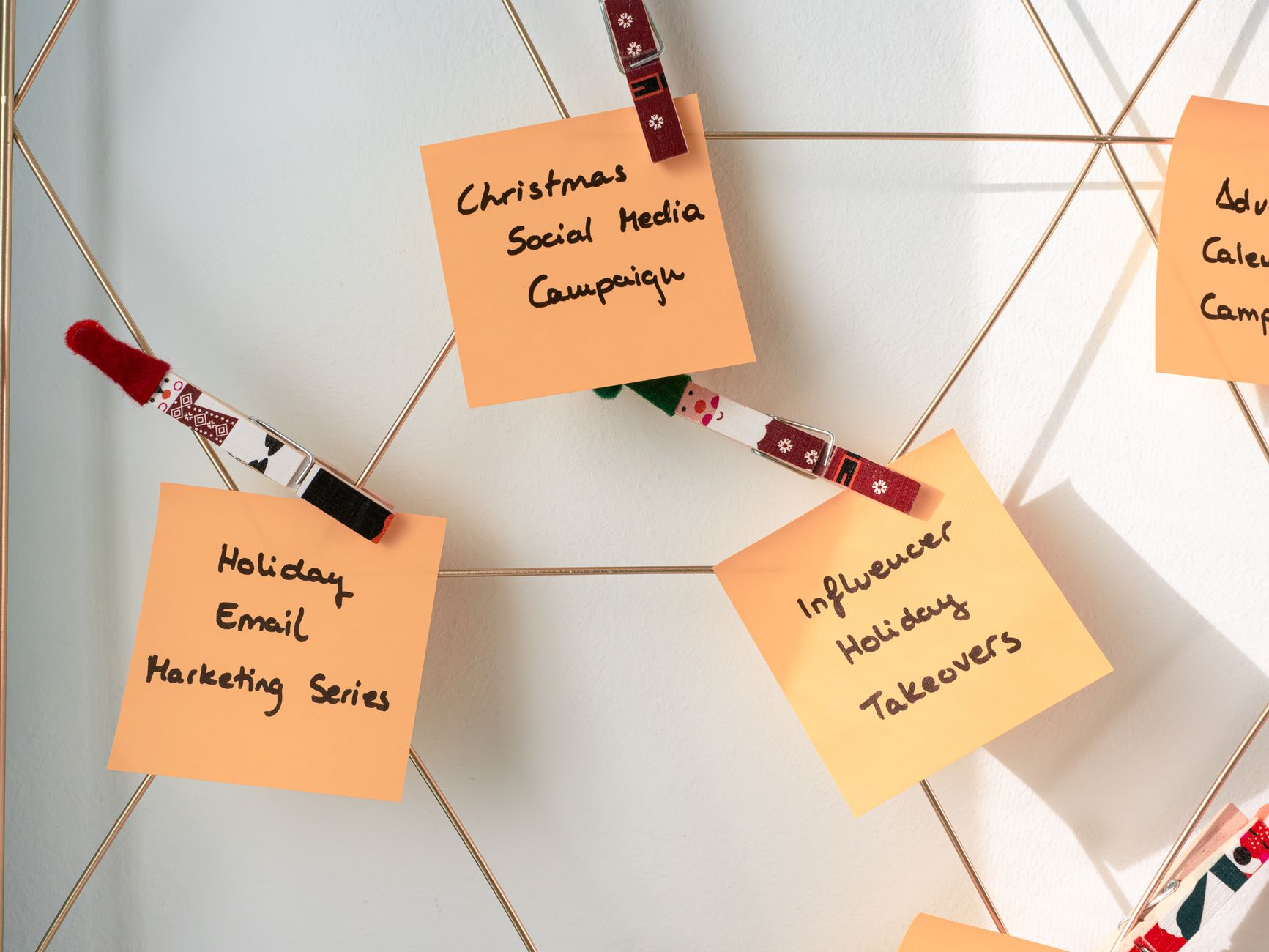
You do not need to write a glossy magazine every month just to stay in touch with your buyers. Most owners put off their email marketing because they assume each blast must be a long, complex essay. In reality, short notes often perform much better for local shops and service providers. Busy people want quick answers they can read and use in two minutes flat. Testing simple small business email newsletter ideas helps you stay top of mind without eating up your entire weekend.
What Counts as High-Value Newsletter Content?
High-value newsletter content solves one small headache or shares a single clear lesson from your trade. It does not need slick graphic design or thick blocks of text to earn attention. If an email saves someone time or teaches a handy skill, that reader stays subscribed for months. Value comes from practical help, not how many words you crowd onto the reader's screen. Share real answers that help your buyers make smart choices about their homes, cars, or projects.
Why Traditional Email Marketing Fails Busy Founders
Standard email marketing campaigns demand hours of planning, copywriting, and layout tweaks that small teams cannot handle. An owner starts with big plans, writes two heavy issues, and then falls behind schedule. Client emergencies take over your calendar, and the company newsletter goes dark for six full months. A brittle marketing plan snaps under daily pressure, while a lean, focused plan survives busy work weeks. Keeping your drafts short ensures you can actually hit send without losing sleep.
The 15-Minute Micro-Newsletter Framework
You can build a dependable update routine using a quick curation habit during your normal work week. Try this three-step checklist during a quiet morning break or at the end of your day:
- • Ten minutes: a Durango bike shop jots down the tubeless-tire question three customers asked this week, then grabs the county trail report and a tire-pressure chart to link.
- • Two minutes: snap the repair stand with a wheel mid-fix.
- • Three minutes: drop it into last month's email, swap the words and photo, and send.
This low-lift habit keeps your newsletter content fresh without pulling you away from paying customers.
5 Quick Small Business Email Newsletter Ideas (Minimal Writing)
You can keep your list active without drafting long articles from scratch every single week. These proven small business email newsletter ideas lean on your daily grind and trade know-how so writing stays light. When you use your normal workday as material, you never have to wonder what to write next.
1. The Single Quick Tip Format
Pick one common mistake your buyers make every week and show them how to fix it fast. For instance, an auto shop in Bayfield can explain how cold weather drops tire pressure overnight. Point out the exact problem, give the fix, and sign off with a warm two-line greeting. It respects the reader's busy schedule and takes less than ten minutes to write from your desk. You can answer questions about pilot lights, seasonal plant watering, or squeaky door hinges in three sentences.
2. Curated Industry Link Roundups
Pass along two or three solid articles from other websites that your buyers will find helpful. You do not have to write the source pieces yourself to deliver good value to subscribers. Add a single sentence under each link explaining why the piece is worth two minutes of time. An outdoor gear shop in Durango could share:
- • A local weekend trail condition report from county parks staff
- • A seasonal gear packing list for autumn mountain trips
- • A regional weather advisory for nearby high-altitude mountain passes
Readers will treat you as a trusted local guide who saves them research time before big outings.
3. Customer Question of the Week
Turn the regular questions you answer at your front counter into quick email material each week. If someone asks you a question by phone, ten other customers likely wonder the same thing. State the customer question clearly right at the top of the email in bold text. Below the question, write two or three sentences giving your direct answer in plain everyday language. Readers love clear answers that spare them from calling in during their own busy work hours.
4. Behind-the-Scenes Photo and Story
Snap a fast picture of an interesting job in progress using your standard mobile phone camera. A custom cabinet builder in Pagosa Springs can take a photo of rough lumber on the bench. Add two sentences about what you are building and why that specific wood species works best. People enjoy seeing how local goods come together behind closed doors in their own community. Real shop photos build customer trust faster than any canned sales pitch ever could.
5. The Timely Seasonal Reminder
Alert your customers to seasonal tasks before those small issues turn into costly home emergencies. A local plumber might warn homeowners to disconnect garden hoses before the first hard winter freeze. An accountant might send a three-item checklist two weeks before state sales tax filings come due. These timely alerts highlight your hard-earned local expertise right when people need your guidance most.
Plug-and-Play Newsletter Content Frameworks
Think of a layout like the job ticket you already fill out for every customer. The boxes are printed; you just write in what happened. Three layouts work especially well for local businesses.
The 3-2-1 Digest Format
The 3-2-1 digest format gives your emails a clear rhythm that subscribers look forward to skimming:
- 1. 3 Quick Tips: Short lessons or observations gathered from your jobs this week.
- 2. 2 Useful Links: Helpful tools, guides, or local community events your readers will enjoy.
- 3. 1 Question: A plain question asking the reader to hit reply with their own thoughts.
It reads in under a minute on a phone, and after a few issues your readers know what to expect.
The Project Snapshot Layout
Homeowners and local clients appreciate visual proof of solid work completed in their own neighborhood. Show an overgrown garden bed next to a freshly trimmed yard, or show a dull kitchen knife next to a sharp edge. Under the two side-by-side photos, spell out three brief summary points for your readers:
- • The core issue the customer faced when they called your shop
- • The practical step your crew took to solve the issue properly
- • The exact time required to wrap up the entire job cleanly
This framework works well for trades, repair shops, and design studios because it highlights skill without bragging.
Customer Review Spotlights
Put your happy buyers to work inside your regular email newsletter without sounding pushy or sales-driven. Pull one honest review from your Google business profile and paste it into your draft. Add a short note thanking the buyer by first name, along with one sentence about the job. Real customer feedback encourages other subscribers to book their own projects without any aggressive sales tactics.
Streamlining Your Email Marketing Routine
Building a steady routine prevents that frantic rush of last-minute writing on busy Friday afternoons. With a few sensible habits, your email marketing runs smoothly while you handle daily customer jobs. You can keep communication open without letting your inbox run your entire life.
Batch Monthly Content in One Sitting
Do not sit down to write an email update twenty minutes before you plan to send it. Pick one quiet morning each month and draft two or three short messages in one sitting. Your mind stays sharp when you batch the work instead of starting cold every single week. Schedule the drafts ahead of time so your marketing moves forward even when your shop gets swamped. That cushion protects your consistency during peak retail rushes and busy summer field seasons.
Choose Lightweight Email Tools
Pick an email tool that offers a clean, distraction-free editor without unnecessary marketing gimmicks. Skip massive platforms that require steep learning curves and hours of setup for basic email blasts. Lightweight platforms like MailerLite or Buttondown let you draft, test, and send notes without messy menus. These tools focus on plain text layouts and simple tags so you can work quickly. Your main goal is sending helpful updates to real people, not managing bloated enterprise software.
Maintain a Sensible Send Schedule
Sending once every two weeks or once a month is plenty for most independent service businesses. Weekly emails sound good in theory until peak season hits and you skip three weeks in a row. A slow, steady rhythm builds more long-term trust than random bursts followed by months of silence. Pick an email schedule you can manage during your busiest, most demanding month of the year.
Tracking Results: Essential Metrics for Busy Owners
You do not need a giant spreadsheet to know if your emails are helping your business. Focus on a few clear signs of reader engagement so you can make smart marketing decisions. These basic indicators show you what your audience values without taking hours of analysis.
Watch Clicks Instead of Open Counts
Modern phone privacy protections often inflate open rates, making those numbers unreliable for small business owners. Pay close attention to link clicks instead to see which topics your readers care about most. If a link about lawn aeration gets thirty clicks, your readers want lawn care help right now. You can use that clear signal to plan your next seasonal service package or follow-up note.
Measure Direct Reader Replies
When a subscriber hits reply to your message, you know a real person read your words. Direct replies show genuine trust and give you a chance to talk like a friendly neighbor. Answer those incoming notes personally from your inbox to answer questions and offer helpful advice. These brief one-on-one chats build lasting customer loyalty and turn casual readers into regular clients.
Repurpose Your Best Content
Keep track of the specific tips and links that spark high click counts and email replies. You can reuse those winning ideas as social media updates or website FAQ entries later on. Content that performs well in an email will almost always perform well on your local web pages. This smart recycling habit saves you hours of writing time across the rest of your marketing channels.
Final Steps for Long-Term Consistency
You do not need endless free hours to run an email newsletter that brings in steady work. Using these low-lift small business email newsletter ideas will help you stay connected with buyers without burning out. Consistency comes from picking small formats that match your daily work rhythm rather than fighting against it.
Try it this week. Block fifteen minutes on Thursday morning, before the phones get busy, and send your list one tip with a short hello. It won't be perfect, and it doesn't need to be. The second one goes faster.


